

An esthetician treatment bed is one of the highest-use assets in a facial room, so the wrong choice affects comfort, throughput, and return on investment. Buyers today compare electric, hydraulic, and fixed models not only on price, but on lifetime value, serviceability, and customization. For spas, med spas, and private-label beauty brands, the right bed also supports cleaner workflows, better client positioning, and stronger room utilization.
What an esthetician treatment bed does for revenue
The best bed is not just furniture. It shapes treatment speed, client comfort, and therapist posture across facials, waxing, lash work, and skin services. In practical terms, a better-adjusted bed can reduce setup friction, keep rooms turning faster, and support more consistent service delivery.
Industry buyers are increasingly focused on ROI, durability, and after-sales support. Grand View Research and Statista both point to continuing growth in professional beauty equipment demand through 2026, while IBISWorld notes that buyers often compare factory-direct suppliers to cut procurement cost and improve customization flexibility. In a busy salon, those buying criteria matter more than cosmetic styling.
- Common service use: facials, dermaplaning, waxing, lash extensions, and light skin therapy
- Typical buyer priorities: comfort, height range, stability, upholstery durability, and cleaning ease
- Decision factor: lifetime value over lowest upfront price
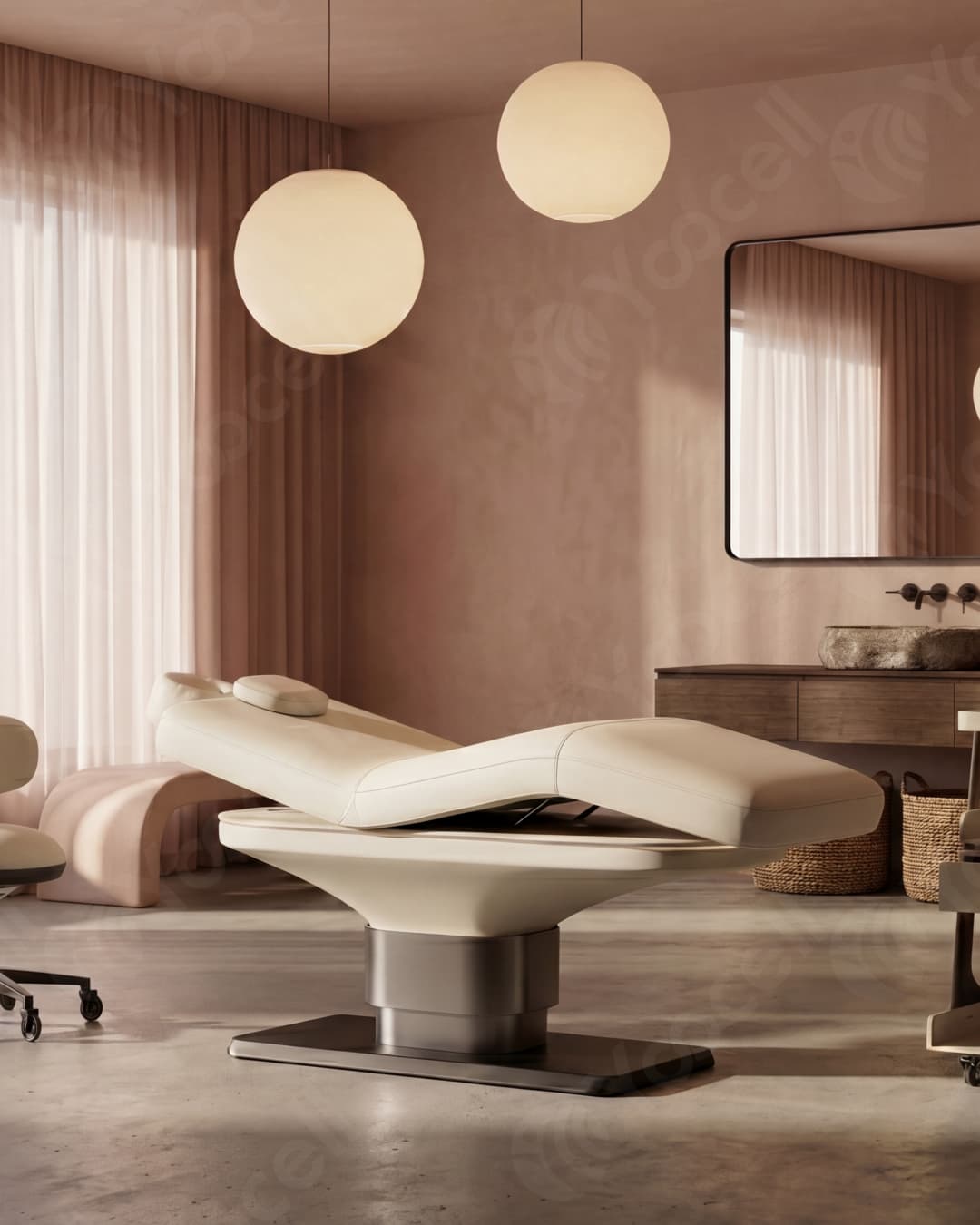
esthetician treatment bed features buyers should compare
Start with the treatment room workflow. A strong esthetician treatment bed should help the provider work without strain and let the client stay stable for long sessions. Electric adjustment is often preferred in high-volume rooms because it speeds positioning, while hydraulic beds can offer a lower-cost middle ground for some operators.
Look closely at these features:
- Height adjustment range for ergonomic access
- Backrest and leg section articulation for multiple services
- Padding density and upholstery that resists peeling and disinfectant wear
- Weight capacity and frame stability
- Face cradle compatibility and arm support options
- Easy-clean surfaces for daily sanitation
For sourcing teams, product documentation matters as much as appearance. ISO 22716, GMP, and FDA cosmetic guidance are important trust signals when the bed is part of a broader skin care or OEM/ODM supply chain.
How to choose the right bed type
Different rooms need different configurations. The best esthetician treatment bed depends on service mix, budget, and room traffic.
Electric beds are best for premium spas and med spas with frequent repositioning. They usually improve operator efficiency and reduce manual effort.
Hydraulic beds fit buyers who want adjustability with simpler maintenance and a lower purchase price.
Fixed beds work for lower-volume rooms, training spaces, or budget-sensitive start-ups, but they usually provide less operational flexibility.
One useful rule: if a room serves multiple treatment types every day, adjustability usually pays back faster than a cheaper fixed frame.
esthetician treatment bed cost, ROI, and procurement math
Pricing varies by mechanism, frame quality, and customization level. Many buyers ask about the total cost rather than just the list price, because shipping, replacement parts, upholstery life, and maintenance change the real number.
For procurement planning, consider these data points:
- Professional beauty equipment demand continues expanding into 2026, according to Grand View Research.
- Statista data points to ongoing operator focus on lifetime value and service reliability.
- IBISWorld reports that factory-direct sourcing is a common cost-control strategy in beauty equipment purchasing.
- ISO 22716 is a recognized Good Manufacturing Practice benchmark for cosmetics-related production environments.
- GMP and FDA documentation improve buyer confidence in regulated and export-facing markets.
- Many B2B buyers target a 12- to 24-month payback window on high-use treatment-room equipment.
For a multi-room spa, reducing procurement cost by even 10% to 20% through factory-direct purchasing can materially improve margin, especially when you are outfitting several rooms at once.
Yoocell supports factory-direct pricing, bulk orders, customization, and global shipping, which helps buyers align the bed spec to their room and brand instead of forcing operations around a generic product. For sourcing support, you can contact Yoocell’s team for OEM/ODM options and project quotes.
What salons and spa chains need from suppliers
For B2B buyers, the supplier matters as much as the bed. A good esthetician treatment bed program should include production control, packing consistency, spare-parts support, and responsive after-sales service. That is especially important for multi-site operators, franchise groups, and distributors.
Yoocell is built around that purchasing model. The company works as a beauty salon equipment manufacturer and skincare OEM/ODM supplier, which gives buyers more flexibility in frame design, upholstery, branding, and order volume. That is useful when a chain wants consistent equipment across locations or when a private-label brand needs a product line that matches its market position.
- Factory-direct pricing to improve margin
- OEM/ODM customization for branding and specifications
- Global shipping for cross-border projects
- Quality control support for repeatable orders
- Manufacturing support for scale-up programs
How to evaluate a supplier before ordering
Before placing a purchase order, ask for proof that the supplier can support the full lifecycle of the product. That means technical specs, photos, material details, lead time, packing method, warranty terms, and replacement-part availability.
Buyers should also confirm whether the bed can be customized for upholstery color, logo placement, control layout, and frame finish. If the supplier cannot clearly explain production steps or compliance documentation, the procurement risk is higher than it first appears.
Yoocell is positioned for this kind of B2B evaluation, especially when the goal is repeat ordering, brand customization, and room-level standardization rather than one-off retail buying.
FAQ about esthetician treatment bed
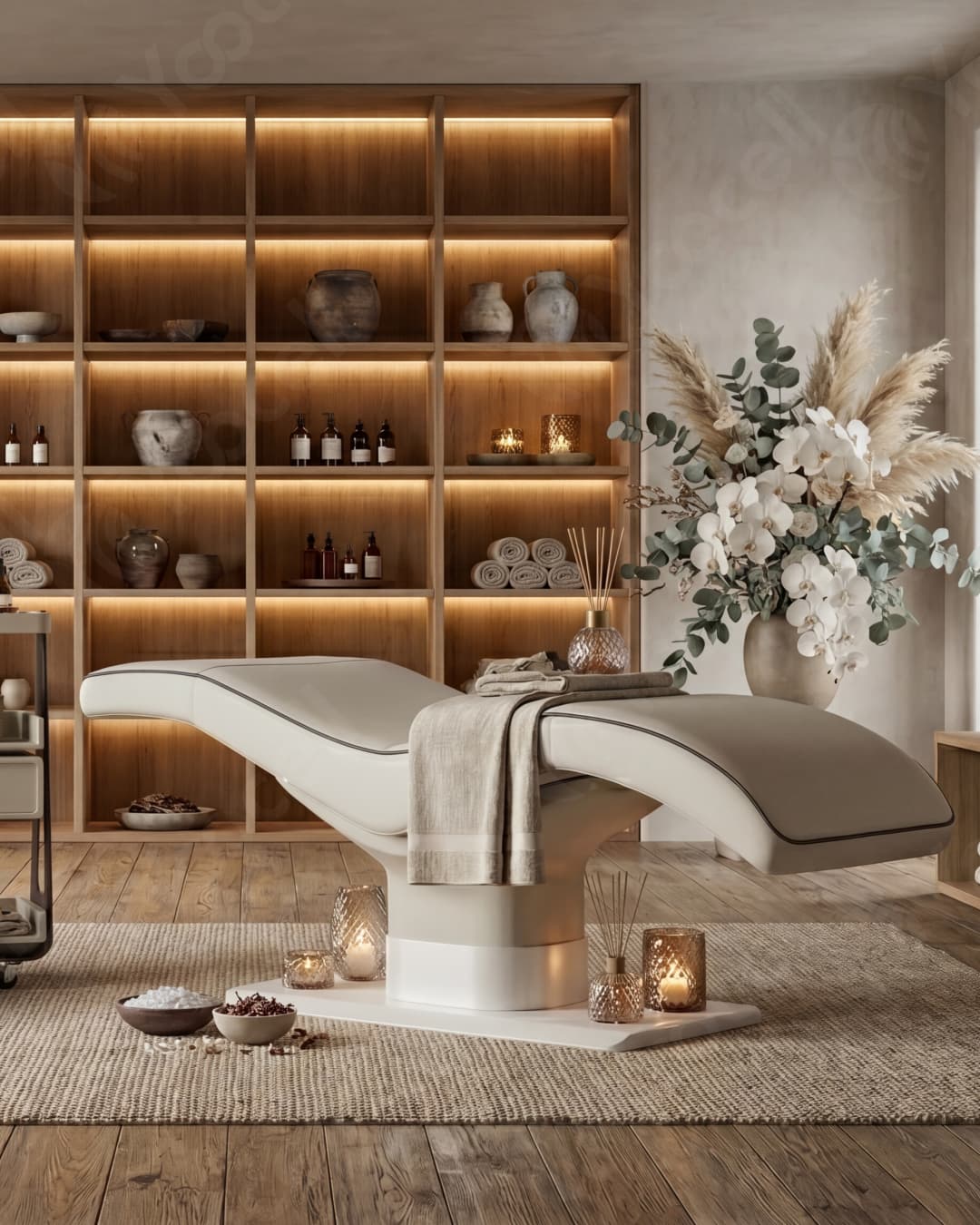
What are esthetician beds called?
They are commonly called esthetician treatment beds, facial beds, spa beds, or treatment tables depending on the market and adjustment style.
What is the best facial bed for an esthetician?
The best option is usually the one that matches service volume, room layout, and treatment mix. High-volume rooms often benefit from electric adjustment and durable upholstery.
How much does a hydro massage bed cost?
Cost varies widely by structure and features. In B2B sourcing, buyers usually compare total landed cost, not just unit price, because shipping and service matter.
What are those therapy beds called?
They may be called treatment beds, therapy tables, facial beds, or esthetician beds depending on the service setting and region.
Should I choose electric or hydraulic?
Choose electric if you need faster positioning and higher daily throughput. Choose hydraulic if you want a lower-cost adjustable option with simpler mechanics.
Can Yoocell customize an esthetician treatment bed?
Yes. Yoocell offers OEM/ODM customization, factory-direct pricing, and global shipping for B2B buyers that need branded or project-specific equipment.
For salon owners, distributors, and OEM sourcing teams, the best esthetician treatment bed is the one that improves treatment flow, supports the client experience, and fits your procurement model. If you buy on lifetime value instead of sticker price, the result is usually better room utilization and a stronger margin profile.