

Electric facial bed buyers are not just comparing furniture; they are comparing treatment-room efficiency, client comfort, and long-term ROI. In 2026, spa and salon operators are still prioritizing lifetime value, durable construction, and after-sales support, which is why the right bed can influence booking speed, upsells, and room utilization.
If you are sourcing for a spa chain, med spa, distributor program, or private-label catalog, this guide breaks down what matters most and how Yoocell helps B2B buyers source factory-direct with OEM/ODM flexibility, customization, global shipping, and manufacturing support.
Electric facial bed basics: what buyers should know first
The short answer is simple: an electric facial bed uses one or more motors to adjust height, backrest, leg section, tilt, or full positioning with less manual effort. That matters because it reduces staff strain, improves treatment consistency, and makes the room feel more premium to clients.
Grand View Research notes continued growth in professional beauty equipment demand in 2026, while Statista highlights that buyers increasingly evaluate equipment by service reliability and room productivity. In practical terms, that means a bed is no longer a static purchase; it is a workflow tool.
- Best for: facial treatments, lash services, brows, waxing, PMU, massage, and multi-use beauty rooms
- Typical control types: hand remote, foot pedal, or integrated panel
- Common motor setups: 2-motor, 3-motor, and full electric multi-section systems
For clinics that need fewer adjustments between clients, electric operation can save time every day. Over a month, that convenience can translate into more appointments completed per room.
Electric facial bed features that affect comfort and workflow
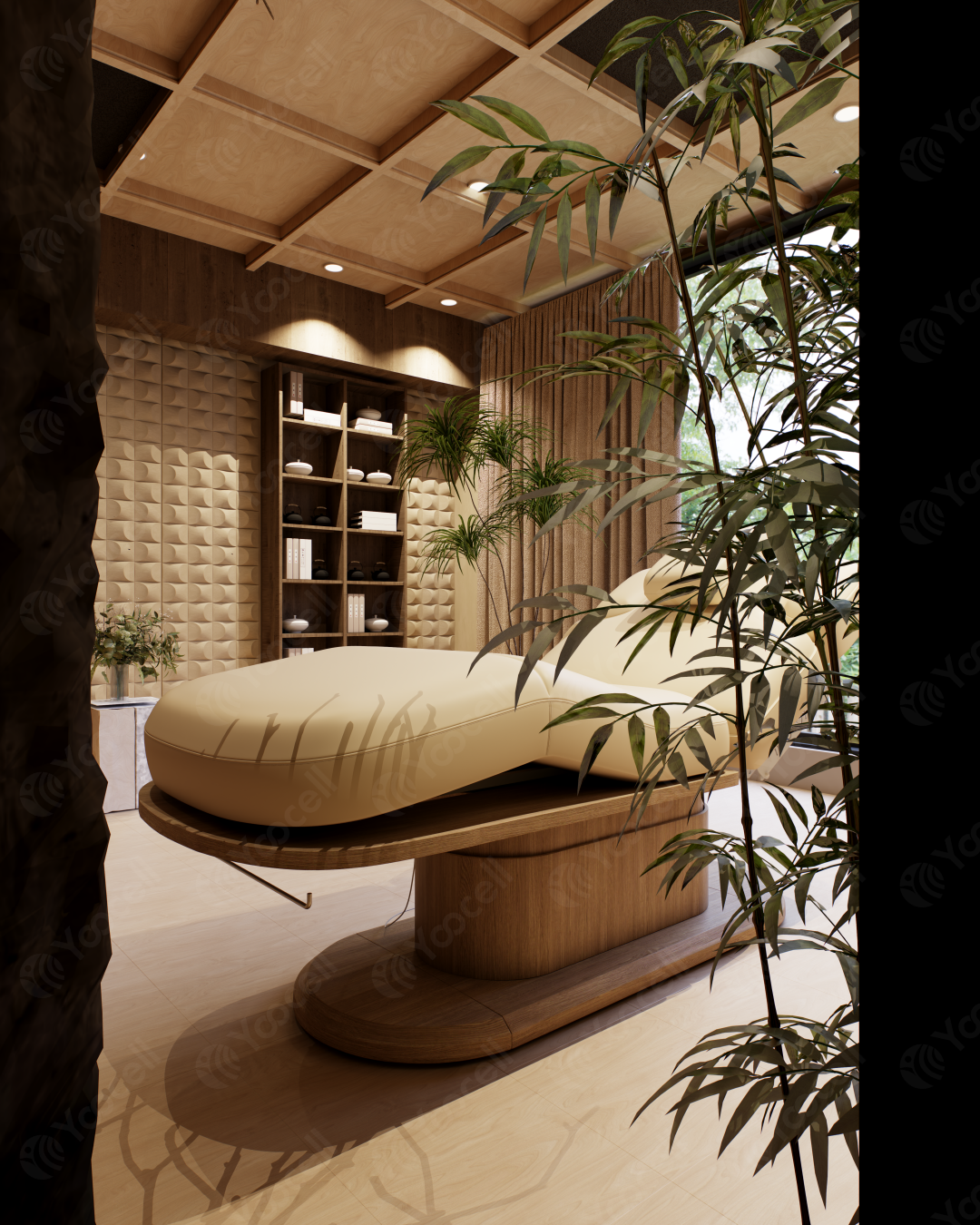
The best model is the one that supports your most common services without slowing down your staff. Look closely at the technical details, because small design differences can affect comfort, safety, and cleaning time.
- Height range: some commercial models adjust from 27.5 to 37.8 inches, helping technicians work seated or standing comfortably
- Load capacity: higher-capacity units may support up to 440 lbs, which matters for broader client profiles and added stability
- Motor count: a 3-motor system usually offers better control than a basic two-motor unit
- Cushioning: dense foam and seamless upholstery improve client comfort and simplify disinfection
- Frame design: hidden hardware and sturdy steel frames often deliver a cleaner look and longer service life
If your room handles back-to-back services, smooth movement and stable positioning are not luxury features; they are productivity features. A bed that adjusts quickly can reduce technician fatigue and improve the client experience at the same time.
Premium electric salon beds can exceed $5,000, while entry-level commercial options may start around $500. That price spread is why buyers should compare specifications, not just the sticker price.
How to compare factory-direct pricing, retail markup, and ROI
For B2B buyers, the smartest question is not “What is the cheapest bed?” It is “What bed delivers the best return over its full service life?” IBISWorld research and common procurement patterns show that beauty businesses often compare factory-direct suppliers against distributors to improve customization and reduce procurement cost.
Factory-direct pricing can be especially valuable when you need multiple units, custom upholstery, or private-label branding. With Yoocell, buyers can align specification, lead time, and budget before placing a bulk order, which often reduces rework and purchasing delays.
- Retail/distributor channel: faster browsing, but usually more markup and fewer customization options
- Factory-direct channel: better for bulk orders, consistent specifications, and branded programs
- ROI drivers: more daily bookings, faster room turnover, fewer service complaints, and lower replacement frequency
Many buyers also use bulk purchasing to unlock savings. In market listings, bundle discounts of up to 15% are common, and larger orders can improve freight efficiency. For a chain operator, that difference can be meaningful when outfitting 5, 10, or 50 rooms.
A practical ROI question is this: if one upgraded bed helps your team complete even one additional service per day, how quickly does it pay for itself? In many treatment businesses, the answer is measured in months rather than years.
Compliance and quality control standards to check before you order
Answer first: a professional supplier should be able to document materials, production standards, and inspection steps. For skincare OEM/ODM and beauty equipment sourcing, look for ISO 22716 awareness, GMP-oriented production discipline, and FDA cosmetic guidance where relevant.
Those names matter because they signal that the supplier understands controlled manufacturing, traceability, and documentation. They do not replace your own due diligence, but they do reduce sourcing risk.
- Request product specs: motor type, dimensions, upholstery material, weight capacity, and cleaning guidance
- Ask for QC steps: incoming material checks, in-process inspection, and pre-shipment testing
- Verify logistics: packaging method, spare parts availability, and global shipping support
Yoocell places strong emphasis on quality control and production support so B2B buyers can order with more confidence. If your procurement team needs documentation for resale or internal approval, this is where factory communication matters most.
OEM/ODM customization options for spas, clinics, and distributors
If you are building a product line or designing a branded room experience, customization is often the deciding factor. OEM/ODM support lets you tailor the electric facial bed to your market instead of forcing your customers to accept a one-size-fits-all product.
Yoocell supports custom requirements across color, upholstery texture, logo placement, remote control layout, packaging, and feature combinations. That flexibility is especially useful for distributors, salon groups, and skincare brands that need consistent presentation across locations.
- Branding: logo embroidery, nameplate, and custom packaging
- Design: color matching, upholstery finish, seam style, and base appearance
- Function: motor count, adjustment range, armrests, footrest design, and accessories
- Order support: sample confirmation, bulk production, and export-ready packing
Because Yoocell works as both a beauty salon equipment manufacturer and skincare OEM/ODM supplier, buyers can simplify sourcing instead of coordinating multiple vendors. That can save time during product launches and help maintain consistent quality across a catalog.
How to choose the right supplier and request a quote
The best supplier is the one that can meet your spec, your timeline, and your budget without sacrificing support. Before you place an order, ask these five questions:
- Can you provide exact dimensions, weight capacity, and motor configuration?
- What quality checks are completed before shipment?
- Do you support OEM/ODM customization and private labeling?
- What are the lead time and global shipping options?
- How do you handle spare parts, warranty issues, and after-sales support?
If the supplier cannot answer those clearly, the purchase may cost more later through delays, returns, or inconsistent quality. A lower unit price does not help if the product fails during the first heavy-use season.
For buyers who want factory-direct communication and bulk pricing, you can contact Yoocell for a quote and request a custom sourcing discussion. Yoocell can help compare models, adjust specifications, and support global shipping for B2B orders.
In 2026, the smartest procurement strategy is not chasing the cheapest bed; it is selecting the model that supports room efficiency, client comfort, and brand growth. That is where a well-specified electric facial bed becomes a revenue tool, not just a fixture.
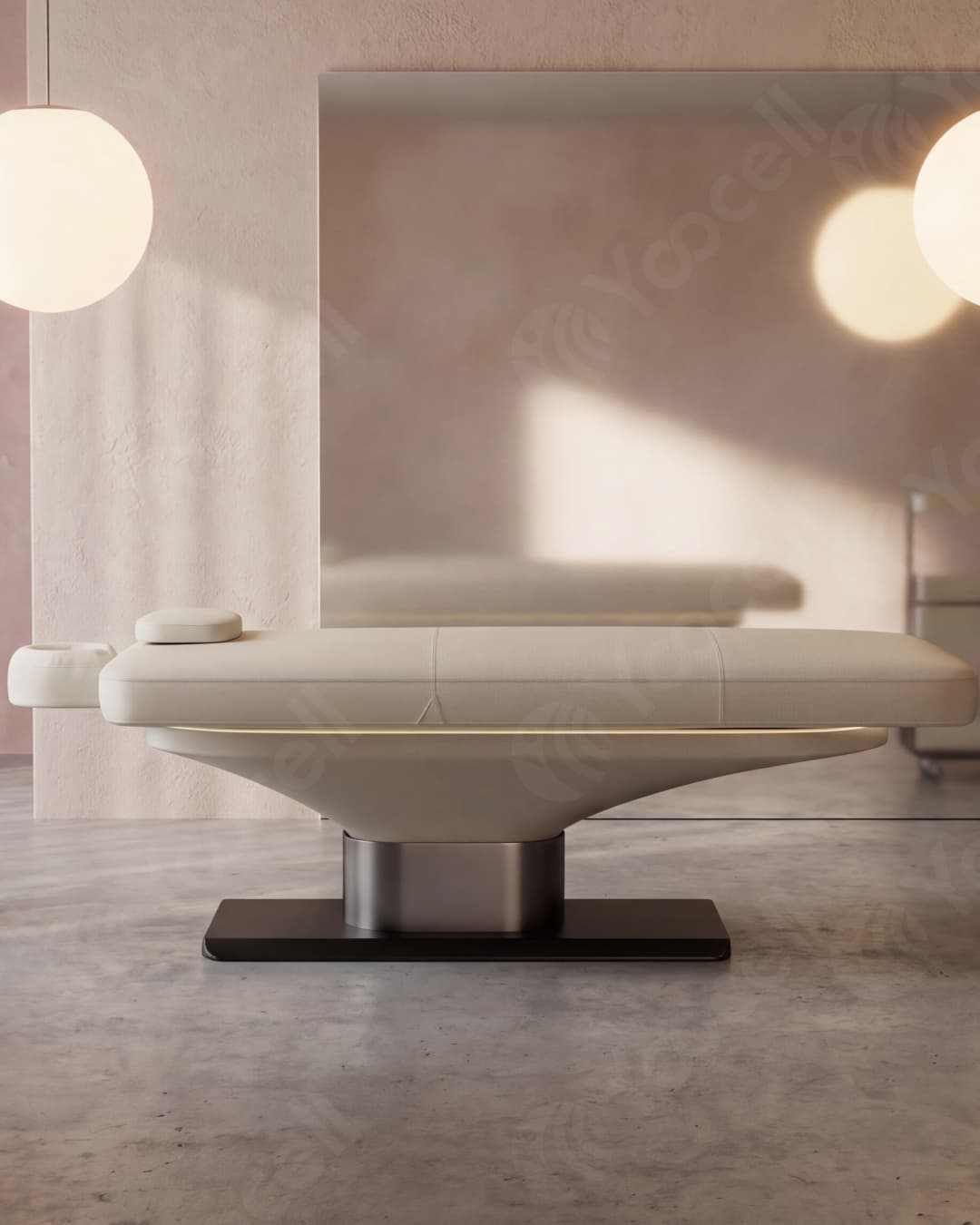
FAQ about electric facial bed
What is an electric facial bed used for?
An electric facial bed is used for facials, lash work, waxing, brows, PMU, massage, and other esthetic services. Its motorized adjustment helps technicians position clients quickly and comfortably.
How much does an electric facial bed cost?
Commercial pricing can range from about $500 for entry-level models to more than $5,000 for premium electric salon beds. The right choice depends on motor count, frame quality, and customization.
What motor setup is best for a spa or clinic?
A 3-motor bed is often the best balance for B2B buyers because it gives more control over positioning than a basic unit. If you need multi-service flexibility, choose a model with a wider adjustment range.
What weight capacity should I look for?
Many buyers prefer a bed rated around 440 lbs or higher for stability and broader client comfort. Always confirm the full working load in the supplier specification sheet.
Is factory-direct sourcing better than buying from a retailer?
Usually yes for B2B orders. Factory-direct sourcing can improve customization, reduce procurement cost, and make it easier to order in bulk with consistent specifications.
What documents should a supplier provide?
Ask for product specifications, QC details, packing information, and production documentation aligned with ISO 22716, GMP, and FDA cosmetic guidance where applicable. Good documentation reduces risk and speeds up internal approval.