
An electric beauty bed is no longer a luxury item for modern salons, spas, skin clinics, and esthetician studios. It is a productivity tool that affects treatment comfort, staff efficiency, room turnover, and long-term operating cost. For B2B buyers, choosing the right model means looking beyond appearance and focusing on motor performance, customization options, compliance, warranty support, and supplier reliability.
In 2026, professional buyers are placing more emphasis on lifetime value rather than just upfront price. Grand View Research notes that the professional beauty equipment market continues to expand as buyers prioritize ROI, durability, and after-sales support. Statista also highlights that salon and spa operators increasingly evaluate equipment based on treatment-room utilization and service reliability. That shift makes supplier selection just as important as product selection.
This guide explains what to look for, how much to budget, and why factory-direct sourcing from a manufacturer like Yoocell can help reduce procurement cost while improving customization and delivery flexibility.
What is an electric beauty bed and why do salons choose it?
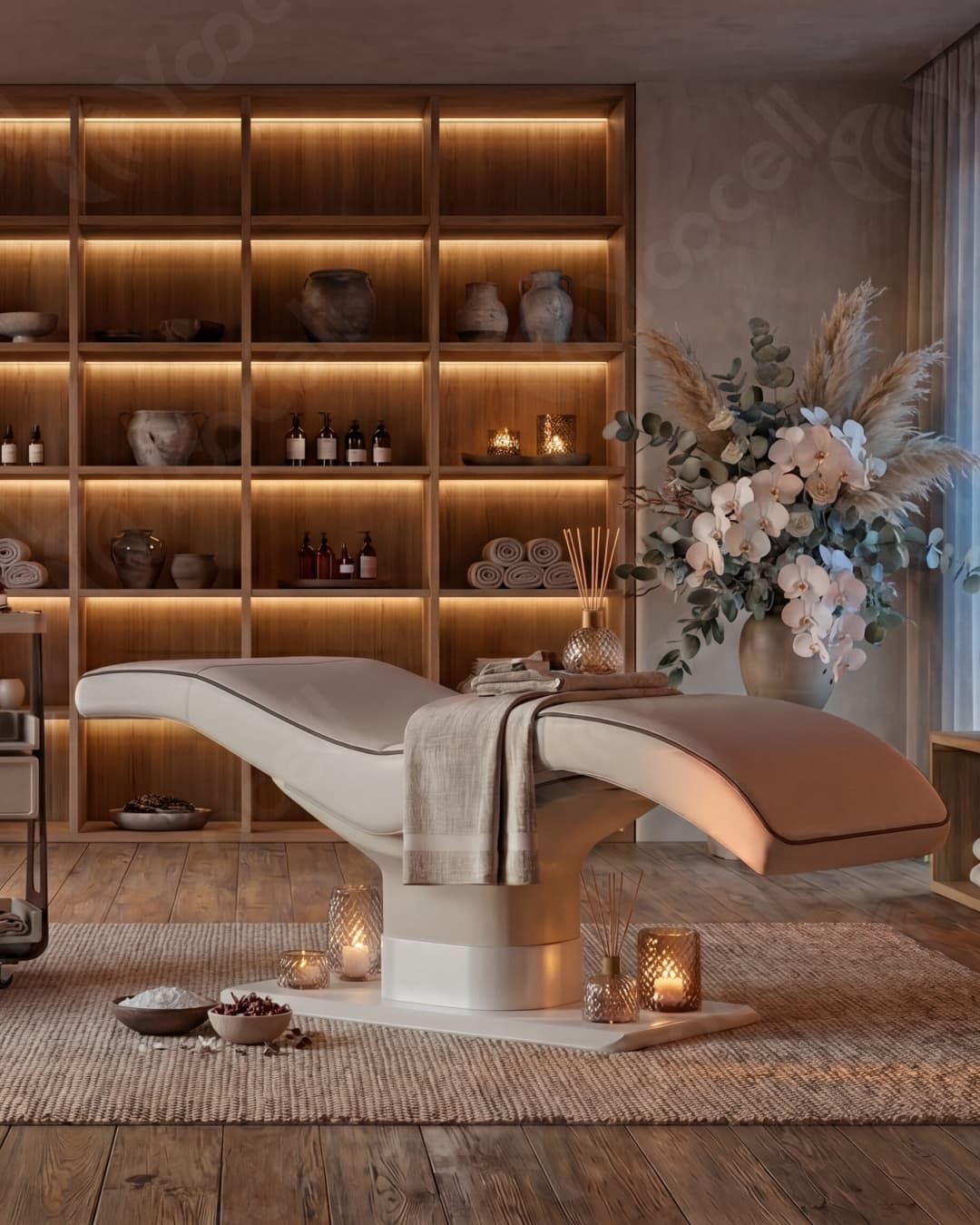
An electric beauty bed is a motorized treatment bed designed for facial treatments, lash services, PMU, skin analysis, body treatments, and spa procedures. Unlike manual beds, it uses electric actuators to adjust height, backrest, leg section, and sometimes tilt positions.
For commercial use, that matters because one bed may support multiple treatment types in a single room. A 3-motor or 4-motor system can reduce setup time by 20% to 30% compared with fully manual repositioning, especially in high-frequency treatment rooms. Faster adjustment also helps staff maintain ergonomic posture during long service days.
Buyers typically choose an electric beauty bed for five reasons:
- Improved client comfort during longer treatments
- Faster positioning between services
- Better staff ergonomics and reduced strain
- Premium visual appeal for higher-ticket services
- More versatile use across facial, lash, and body treatments
For growing salons, one multifunction electric bed can improve room utilization by 10% to 15%, depending on treatment mix and scheduling efficiency.
Key features to compare in an electric beauty bed
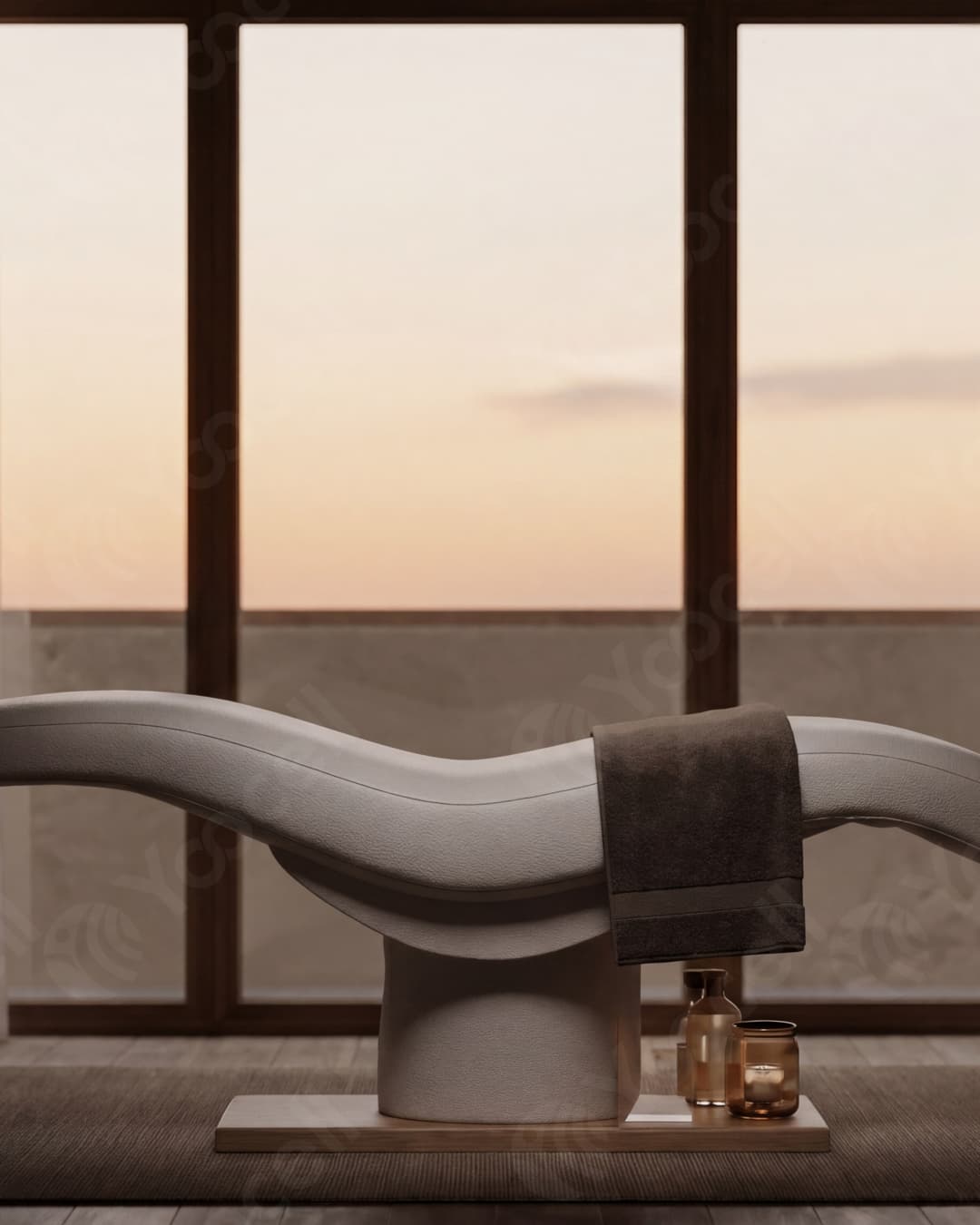
Not all beds on the market are built for the same commercial workload. Many low-cost retail models look similar online, but their frame thickness, motor quality, upholstery density, and certification support can vary significantly.
When comparing options, focus on these core features:
- Motor count: 2-motor, 3-motor, or 4-motor configurations affect adjustability and treatment flexibility.
- Height range: A wider range helps estheticians, PMU artists, and therapists work more comfortably.
- Weight capacity: Commercial beds often target capacities from 150 kg to 250 kg.
- Upholstery quality: PU leather, high-density foam, and easy-clean surfaces improve durability.
- Frame material: Steel structures usually deliver better long-term stability than lighter decorative builds.
- Headrest and armrest design: Important for facials, lashes, brows, and massage-adjacent treatments.
- Foot control or hand remote: This can improve workflow during active treatment.
- Customization options: Color, stitching, logo, dimensions, and functional accessories matter for brand consistency.
For B2B buyers, documentation matters too. Buyers increasingly look for quality signals linked to ISO 22716, GMP, and relevant product documentation. While ISO 22716 is primarily associated with cosmetics manufacturing, suppliers that understand compliance culture often perform better in packaging, traceability, and quality control processes across product lines.
How much should you budget for an electric beauty bed?
Budget depends on market positioning, motor configuration, materials, and whether you buy through a distributor or directly from a manufacturer. Based on competitor pricing in current search results, premium branded electric salon beds can reach around USD 4,800 to USD 5,100. Entry-level online marketplace listings may fall below USD 1,000, but those products often differ significantly in durability, after-sales support, and customization flexibility.
For most professional B2B buyers, the realistic commercial sourcing range is:
- USD 800 to USD 1,500: Basic entry-level models for budget-focused studios
- USD 1,500 to USD 3,000: Mid-range commercial models with better structure and finish
- USD 3,000+: Premium custom beds with advanced aesthetics, branding, or extra motor functions
IBISWorld notes that beauty businesses commonly compare factory-direct suppliers against distributors to reduce procurement cost and improve customization flexibility. In many cases, factory-direct purchasing can lower sourcing cost by 15% to 35% compared with layered retail channels, especially for bulk orders.
That is why many importers, salon chains, and project buyers work directly with manufacturers like Yoocell. Factory-direct pricing creates more room in the budget for shipping, private labeling, accessories, and coordinated treatment-room setup.
Which electric beauty bed is best for your business type?
The best choice depends on your service menu and business model. Here is a simple buyer framework:
- Facial salons: Prioritize adjustable backrest, removable headrest, comfortable foam, and easy-clean upholstery.
- Lash and brow studios: Focus on stability, quiet motor operation, and fine height adjustment for technician posture.
- PMU clinics: Look for precise recline settings, ergonomic access, and premium appearance.
- Medspa-style environments: Choose stronger frame support, more motor functions, and upscale finishes.
- Multi-room spa chains: Standardization, spare parts availability, and repeatable bulk production are critical.
If your treatment menu changes often, a 3-motor or 4-motor model usually offers better long-term value than a lower-spec bed. Even if initial cost is 20% higher, the added flexibility may reduce the need for replacement or room-specific equipment later.
This is also where Yoocell stands out for B2B buyers. As a beauty salon equipment manufacturer and skincare OEM/ODM supplier, Yoocell supports customized specifications, bulk orders, global shipping, and manufacturing support for professional buyers who need more than an off-the-shelf product.
Factory-direct vs distributor: which sourcing model saves more?
For procurement teams and salon owners, this is one of the most important questions. Distributors offer convenience, but direct manufacturing partners often offer stronger value when the order size, branding needs, or customization requirements increase.
Factory-direct sourcing advantages:
- Lower procurement cost through fewer middlemen
- More flexible MOQ and bulk negotiation
- Better control over color, materials, and branded details
- Clearer production timelines and packaging options
- Direct access to technical support and after-sales coordination
Distributor sourcing advantages:
- Faster access to local stock in some markets
- Simpler single-unit ordering
- Less coordination for very small buyers
For growing brands, academy chains, and project orders, factory-direct often wins on total landed value. If you are equipping 5 to 20 rooms, even a modest per-unit saving of USD 300 to USD 800 can create meaningful capital efficiency. Those funds can be redirected into skincare inventory, staff training, or launch marketing.
With Yoocell, buyers benefit from factory-direct pricing, OEM/ODM flexibility, quality control processes, and global shipping support. This makes it easier to build a consistent salon image across locations while keeping sourcing more predictable.
What quality standards and compliance signals should buyers check?
Professional buyers should always review the supplier’s manufacturing and documentation capabilities. In international sourcing, trust is built through process transparency, inspection readiness, and quality consistency.
Important checkpoints include:
- Material specifications for frame, foam, and upholstery
- Motor testing standards and lifecycle expectations
- Packaging protection for export shipments
- Spare parts availability and service response process
- Production QC records and inspection workflow
- Relevant documentation tied to FDA cosmetic guidance awareness, ISO 22716, and GMP culture where applicable
Even when buying furniture rather than skincare formulas, a supplier experienced in regulated or documentation-heavy categories usually brings better discipline to labeling, quality control, and batch consistency. That matters for private label programs and multi-category sourcing.
Ask suppliers practical questions such as:
- What is the warranty period on motors and frame?
- Can replacement parts ship internationally?
- What quality checks happen before shipment?
- Can the bed be customized for my brand or room design?
- How are export cartons protected for long-distance freight?
How to maximize ROI from an electric beauty bed
ROI comes from more than purchase price. The right bed helps increase service efficiency, supports premium pricing, and lowers maintenance risk over time.
Here is a practical ROI model:
- If a better bed helps save 5 minutes per appointment
- And your room handles 6 to 8 clients per day
- That creates 30 to 40 minutes of recovered capacity daily
- Across 22 working days, that is 11 to 14.7 hours per month
For businesses charging premium skincare or lash services, that extra capacity can improve revenue significantly. It can also reduce staff fatigue, which supports service consistency and retention.
To improve ROI, choose a bed that offers:
- Versatility across several treatment types
- Easy sanitation between clients
- Durable upholstery that resists early cracking
- Reliable after-sales support
- Customization that matches your brand positioning
For buyers planning private label skincare, equipment bundles, or a broader salon launch, working with one integrated supplier can simplify the supply chain. Since Yoocell also supports skincare OEM/ODM projects, buyers can align furniture, treatment concepts, and branded product development under one sourcing strategy.
If you are comparing models or planning a bulk purchase, you can contact the Yoocell team for specifications, customization options, and factory-direct quotation support.
FAQ: electric beauty bed sourcing and buying
1. What is the best motor configuration for an electric beauty bed?
For most salons and spas, a 3-motor model offers the best balance of cost and flexibility. It usually supports height, backrest, and leg adjustment, which covers most facial and esthetic treatments.
2. How long should a commercial electric beauty bed last?
A well-built commercial unit can last several years with proper maintenance. Lifespan depends on frame quality, motor reliability, usage frequency, and upholstery care. Heavy-use salons should prioritize stronger construction and spare parts support.
3. Is factory-direct sourcing better than buying from a local reseller?
For bulk orders, customized products, or chain expansion, yes. Factory-direct sourcing often reduces procurement cost and gives buyers better control over branding, specifications, and packaging.
4. What certifications or standards should I ask about?
Ask about product documentation, QC procedures, and manufacturing standards. Trust signals such as familiarity with FDA guidance, ISO 22716, and GMP-oriented processes indicate stronger operational discipline.
5. Can I customize an electric beauty bed with my brand colors or logo?
Many manufacturers can support customization for upholstery color, stitching, logo placement, dimensions, and accessories. This is especially useful for salons building a premium brand image.
6. What should I check before placing a bulk order?
Review dimensions, motor functions, load capacity, materials, warranty terms, packaging details, shipping method, lead time, and after-sales support. Sample review or video inspection is also recommended before mass production.
Choosing the right electric beauty bed is a strategic decision for salons, spas, distributors, and private label beauty businesses. The most competitive buyers look at total value: function, durability, customization, compliance awareness, and supplier support. By working with an experienced manufacturer like Yoocell, businesses can source with greater confidence, improve procurement efficiency, and build treatment spaces designed for long-term growth.