

An adjustable facial bed is more than salon furniture. For spas, clinics, and OEM buyers, it affects client comfort, esthetician ergonomics, treatment speed, and long-term return on investment. If you are comparing electric, hydraulic, or portable models, the right choice depends on room layout, service menu, and how much customization you need from a supplier like Yoocell.
In 2026, buyers are looking beyond sticker price. Grand View Research continues to show professional beauty equipment demand rising as operators prioritize durability and ROI, while Statista notes that treatment-room utilization and lifetime value matter more than one-time savings. IBISWorld also points to factory-direct sourcing as a practical way to improve customization and reduce procurement cost.
This guide answers the buyer questions that matter most: what an adjustable facial bed is used for, which type fits your business, how to evaluate quality, and why OEM/ODM support can change your margins.
Why an adjustable facial bed matters for B2B buyers
The best bed does not just hold a client. It helps your team deliver faster, safer, and more consistent treatments. For spas, medispas, beauty schools, and distributors, an adjustable facial bed can improve posture for the provider and reduce awkward repositioning during facials, lash services, waxing, or scalp care.
That operational effect is why buyers increasingly judge equipment by lifetime value. A bed that saves 2 to 5 minutes per appointment can add up quickly across a full week. A room that turns over just 5% to 10% faster may support more appointments without adding floor space. In many procurement plans, the payback target for core furniture and equipment is 12 to 24 months, not 5 years.
There is also a brand effect. Clients notice whether the chair feels stable, quiet, and premium. For multi-location businesses, consistency matters even more. Standardizing on one adjustable facial bed model can simplify training, reduce support calls, and create a more uniform guest experience across every site.
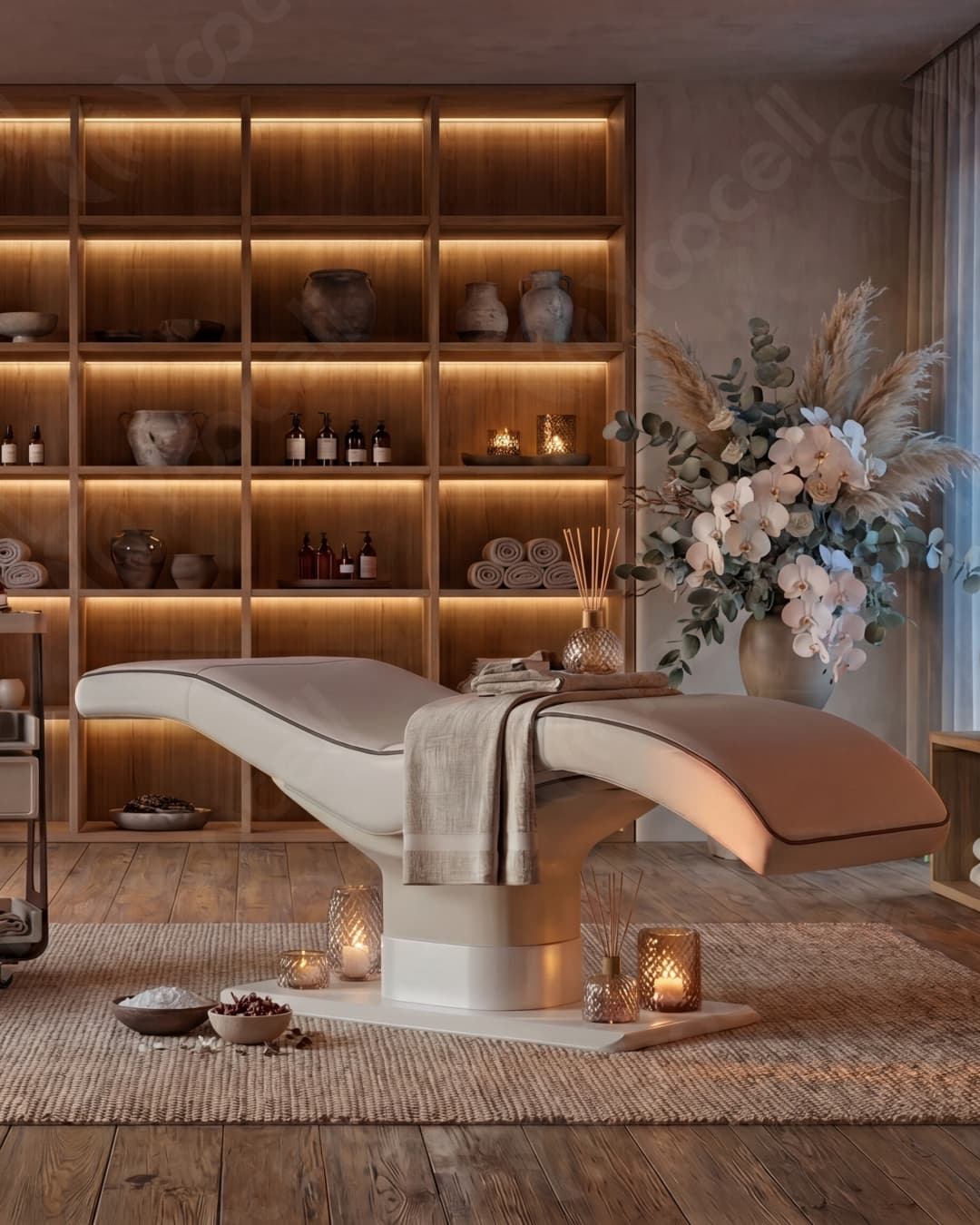
Adjustable facial bed types: electric, hydraulic, and portable
Most buyers choose between three formats:
- Electric facial bed: Best for high-volume rooms that need smooth height and backrest changes with minimal effort. Electric units reduce manual handling and are often preferred when speed and ergonomics matter most.
- Hydraulic facial bed: A strong middle ground for buyers who want adjustability without relying fully on electric motors. Hydraulic models can be easier to position than fixed beds and may cost less than powered versions.
- Portable facial bed: Useful for mobile estheticians, training events, pop-up spas, and compact spaces. Portability helps, but buyers should watch for frame stability and client comfort.
If you are comparing an esthetician bed electric model with a hydraulic option, think about service volume first. Electric beds usually make room changes faster and easier for staff. Hydraulic beds can be more budget-friendly and may suit smaller operations or backup treatment rooms. Portable models work best when storage, weight, and setup time are the top priorities.
For hydro massage bed buyers, the same principle applies: match the mechanism to the workflow. A lower-cost chair is not a bargain if it slows down every treatment or creates maintenance issues later.
What to evaluate before you buy: comfort, lift range, and durability
When buyers search for an adjustable facial bed for sale, the product photos rarely reveal the most important details. Focus on the specs that affect daily use and total cost of ownership.
- Lift range: Can the bed reach a comfortable working height for different therapists?
- Backrest and leg support: Is the motion smooth and stable, or does it feel jerky?
- Upholstery quality: Look for easy-clean material, sealed seams, and resistance to oil or skincare products.
- Frame strength: A reinforced base reduces wobble and helps protect your brand image.
- Padding density: Good cushioning improves client comfort during longer treatments.
- Noise level: Quiet motors are especially important in premium spa rooms.
- Maintenance access: Make sure replacement parts, motors, and cables are easy to service.
Durability is not a guess. Ask for product documentation, weight rating details, test reports, and assembly drawings. If a supplier cannot explain the construction clearly, that is a warning sign. A well-selected bed should support daily use for years, not just the first few months after delivery.
Cost should also be viewed in context. Buyers often save 10% to 20% on landed cost by working directly with the factory instead of a distributor, and bulk orders can improve unit economics by another 8% to 15% depending on the specification. For international projects, shipping lead times commonly range from 15 to 45 days based on destination and freight mode.
Compliance, quality control, and documentation that protect your brand
For B2B buyers, compliance is a selling point. It also lowers risk. The most trusted suppliers understand ISO 22716, GMP, and FDA cosmetic guidance because documentation matters when you are sourcing for private label, spa chains, or export markets.
ISO 22716 has been the recognized cosmetics GMP benchmark since 2007. That matters because professional buyers want predictable manufacturing, traceable materials, and a clear quality process. FDA expectations have also become more visible since the 2022 MoCRA update, which made product and facility compliance even more relevant for cosmetic supply chains.
Ask your supplier how they handle:
- incoming material inspection
- in-process quality checks
- final inspection before shipment
- packaging protection for export
- spare parts and after-sales support
These steps are especially important when you buy from an overseas manufacturer. Yoocell supports B2B buyers who need stable quality control, professional manufacturing support, and documents that help with sourcing reviews, customs checks, or internal procurement approval.
OEM/ODM and factory-direct sourcing: why Yoocell is a better procurement model
Factory-direct pricing changes the math. Instead of paying distributor markup, you buy closer to the source, which can improve margin and open more customization options. That is why many beauty businesses compare factory-direct suppliers against retail channels before they place repeat orders.
Yoocell is built for that model. As a beauty salon equipment manufacturer and skincare OEM/ODM supplier, Yoocell can support custom colors, branding, upholstery choices, motor configurations, packaging, and bulk production. This is useful for distributors, salon chains, hotel spas, and private label buyers who need a product line that feels unique in the market.
In practical terms, OEM/ODM support can reduce the number of compromises in your specification. You can ask for the right frame finish, the right control layout, or the right accessory package instead of settling for a generic model. For many buyers, that flexibility is worth more than a one-size-fits-all catalog chair.
Yoocell also supports global shipping and after-sales assistance, which matters when you are managing replacement parts and installation across multiple regions. If you want to compare options or request a quote, contact Yoocell’s sourcing team for factory-direct guidance.
How to choose the right supplier and maximize ROI
The right supplier should help you buy less often, support better, and sell more confidently. Use this checklist before you place an order for an adjustable facial bed:
- Do they offer OEM/ODM customization, or only standard SKUs?
- Can they explain materials, motors, and frame construction clearly?
- Is quality control documented with photos, checks, or inspection reports?
- Can they support branding, cartons, and export-ready packaging?
- Do they offer warranty terms and spare parts support?
- Can they ship globally and handle repeat orders at stable pricing?
For established operators, the goal is not the cheapest chair. It is the best total value. A bed that improves room utilization by even 5% can matter more than a small upfront discount. A well-built model can also reduce service issues, shorten staff training, and strengthen the premium feel of your treatment room.
Yoocell focuses on that long-term value equation with factory-direct pricing, customization, manufacturing support, and quality control for B2B buyers. If you need a reliable partner for a new spa, a chain rollout, or a private label project, the best next step is to ask for a spec sheet and compare real landed cost, not just catalog price.
Bottom line: choose an adjustable facial bed that fits your treatment workflow, meets quality expectations, and can be sourced at a price that protects your margin. That is the formula that works for spas, distributors, and OEM buyers alike.
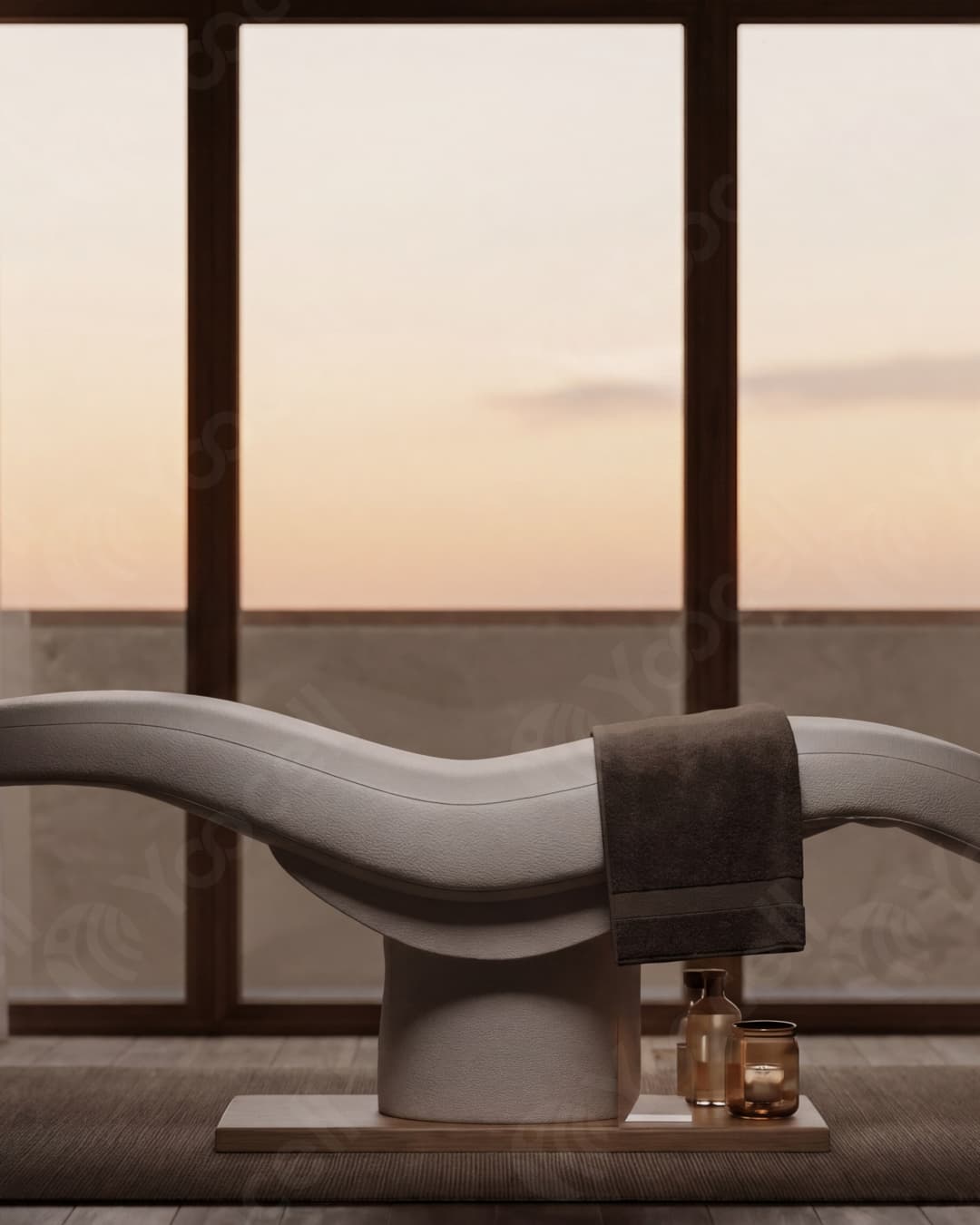
FAQ: Adjustable facial bed buyer questions
What is a facial bed used for?
A facial bed is used for skincare and beauty treatments such as facials, waxing, lash services, scalp care, and some massage or spa services. It supports the client while giving the provider better access and ergonomics.
What is the best facial bed for an esthetician?
The best choice is usually an electric model with smooth height adjustment, stable padding, and easy-clean upholstery. If the room is low volume, a hydraulic bed can also work well.
How much does a hydro massage bed cost?
Prices vary widely by mechanism, materials, and shipping. Entry models may be in the low hundreds of USD, while powered or premium units can reach several thousand USD.
What are the different types of facial beds?
The main types are electric facial beds, hydraulic facial beds, and portable facial beds. Some suppliers also offer multifunction treatment chairs and spa beds with extra accessories.
Is an electric or hydraulic bed better for a spa?
Electric beds are usually better for high-volume spas because they are faster and easier to adjust. Hydraulic beds are a good option when budget and simplicity matter more than automation.
Can Yoocell customize facial beds for OEM/ODM orders?
Yes. Yoocell supports OEM/ODM customization, factory-direct pricing, bulk orders, and global shipping for B2B buyers who need branded or specification-based sourcing.