
If you are sourcing a beauty therapy bed for a spa, clinic, lash studio, or OEM resale program, the best choice is not just about looks. It is about treatment efficiency, client comfort, durability, and lifetime cost. Yoocell works with B2B buyers who want factory-direct pricing, customization, and dependable manufacturing support, so this guide is built for practical purchasing decisions.
What a beauty therapy bed is and who needs one
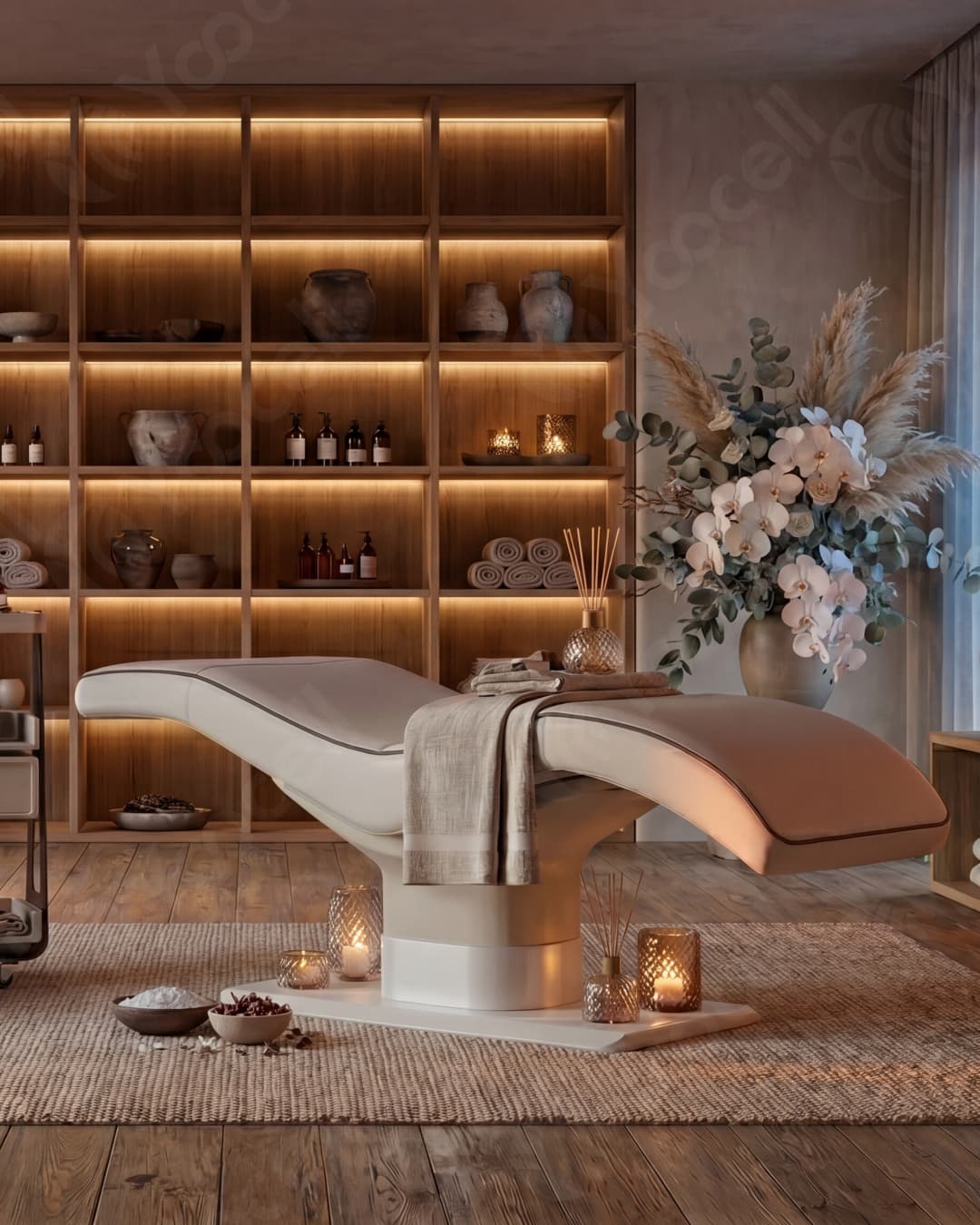
A beauty therapy bed is a specialized treatment platform designed for facials, lashes, brows, PMU, waxing, massage, and advanced skincare services. Unlike a basic salon chair, it is built to support longer appointments, cleaner positioning, and better access for the practitioner. In buyer terms, the right bed helps you increase room utilization and reduce the hidden cost of slow setup.
According to Statista and Grand View Research, professional beauty and spa buyers are increasingly focused on durability, service reliability, and treatment-room efficiency in 2026. That matters because a bed is not a one-time furniture purchase. It is a working asset that can affect staff speed, client retention, and reviews.
Typical buyers include:
- Independent estheticians building a premium treatment room
- Salon owners expanding into facial and lash services
- Medspa and skincare clinics that need repeatable positioning
- Distributors and private-label brands sourcing OEM/ODM inventory
For these users, the best bed is the one that fits the treatment mix, the room size, and the target price point.
Beauty therapy bed features that affect comfort and ROI
When buyers compare models, the most important details are often mechanical, not visual. A luxury finish helps sales, but the real return comes from usability and service life. IBISWorld notes that many beauty businesses now compare factory-direct suppliers with distributors to improve customization flexibility and control procurement cost.
Use this checklist before you order:
- Adjustment system: Manual, hydraulic, or electric. Electric models usually support smoother positioning and less staff strain.
- Motor count: A 3-motor bed is a common B2B choice because it separates height, backrest, and leg adjustment.
- Upholstery: Choose medical-grade, easy-clean material that can handle disinfectants.
- Frame stability: Heavy-duty steel or reinforced base construction reduces wobble during detailed work.
- Client comfort: Density foam and ergonomic contouring improve long-session comfort.
- Weight capacity: Check the rated load, not just the marketing copy.
- Cleaning workflow: Seam design should limit product buildup and shorten turnover.
Concrete ROI is easier to see when you track room performance. For example, if a better bed helps a treatment room run just 8% more efficiently, that can mean roughly 20 to 25 additional billable appointments per month in a busy schedule. Premium electric beds can also pay back in 12 to 24 months when they support higher ticket services, faster setup, and better client comfort.
In many B2B buying models, factory-direct sourcing can reduce procurement cost by 15% to 30% versus layered distributor channels, especially on bulk orders or custom builds. That is why Yoocell positions itself around manufacturing value, not just furniture markup.
Beauty therapy bed types: choose the right model for each treatment
There is no single best model for every business. Instead, match the bed to the treatment style.
- Static treatment bed: Best for budget-sensitive clinics that want a clean, stable platform for facials and waxing.
- Hydraulic bed: Useful when the room needs height adjustment without a full electric system.
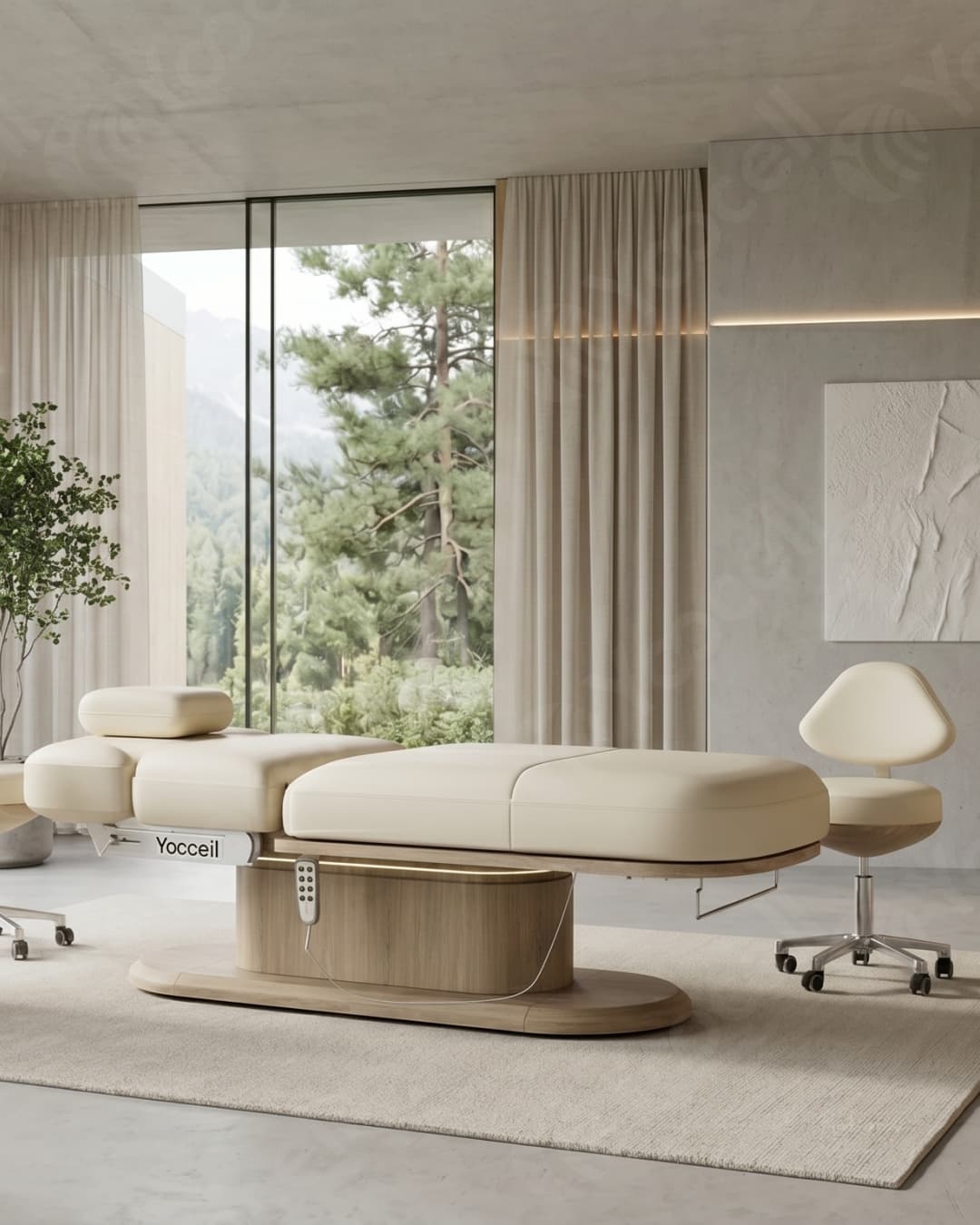
- Electric beauty therapy bed: Ideal for higher-volume studios that want faster positioning and less operator fatigue.
- Curved lash or brow bed: Designed for extended lash sets, brow mapping, and PMU comfort.
- Multi-function spa bed: Good for mixed service menus that move from facial to massage to skin treatments.
For lash, brow, and PMU work, an ergonomic bed with a supportive back angle and proper head access can make a big difference. Many buyers now ask for 180-degree recline, wider cushioning, and 3-motor control because it gives practitioners better access without moving the client repeatedly.
From a production standpoint, customization is often the deciding factor. A factory like Yoocell can help specify dimensions, upholstery color, logo placement, motor configuration, and packaging style. In many cases, custom production takes 2 to 4 weeks before final packing, depending on order size and finish approval. That is usually worth it when you are building a premium brand or a private-label catalog.
Practical recommendation:
- Choose static beds for low-cost openings or backup rooms
- Choose hydraulic beds for moderate flexibility and controlled spend
- Choose electric beds if you value speed, ergonomics, and upscale positioning
- Choose curved specialty beds if lash, brow, or facial services are your core revenue driver
In short, the right bed is the one that supports your most profitable treatment, not the one with the highest spec sheet.
Why factory-direct sourcing improves budget control
For wholesale buyers, the sourcing model matters as much as the product. A factory-direct order can improve margin, simplify communication, and reduce delays caused by distributor markups. This is one reason Yoocell works with salon owners, project buyers, and resellers who want OEM/ODM flexibility instead of one-size-fits-all inventory.
Factory-direct benefits usually include:
- Lower landed cost: Less channel markup can improve gross margin by 15% to 30% depending on volume.
- Better customization: Materials, colors, motors, dimensions, and branding can be matched to your market.
- Cleaner communication: Buyers speak directly with the production team, which reduces specification errors.
- More predictable replenishment: Repeat orders become easier once your SKU is defined.
- Global shipping support: Consolidated packing and export experience reduce friction at dispatch.
Grand View Research and Statista both show that buyers in 2026 are prioritizing ROI, durability, and service reliability. That means the cheapest bed is not always the best buy. A stronger supplier relationship can matter more than a short-term discount if you need after-sales support, replacement parts, or bulk consistency across locations.
If you are comparing purchase routes, ask these questions:
- What is the true landed cost after packaging and freight?
- Can the supplier support private label or logo work?
- Are spare parts available for motors, pads, or foot controls?
- How stable is the warranty and service process?
For a factory quote or product consultation, contact our team and ask for a spec sheet that matches your treatment menu.
Compliance and quality signals buyers should verify
Professional buyers should never rely on product photos alone. In skincare and spa sourcing, compliance evidence is part of risk control. For equipment and OEM/ODM-related procurement, ask for quality documentation and production traceability before you place a larger order.
Useful trust signals include:
- ISO 22716: A strong benchmark for cosmetic GMP practices and manufacturing discipline
- GMP: Essential for process control, cleanliness, and repeatable quality
- FDA cosmetic guidance: Important when products or accessories touch skincare workflows and labeling claims
- Material documentation: Helps confirm upholstery, foam, metal, and finish specifications
- Inspection records: Useful for bulk orders, retail programs, and export accounts
Even if a beauty therapy bed itself is a furniture item, the surrounding skincare business is still expected to run with professional hygiene standards. That is why reputable suppliers keep clear documentation, batch tracking, and quality control records. Buyers who ask for these details often avoid delays later.
A practical quality checklist should include:
- Factory photos or production videos
- Load and stability testing notes
- Upholstery and cleaning compatibility
- Warranty terms in writing
- Packaging photos for export damage control
Yoocell emphasizes quality control at the manufacturing stage so buyers can reduce rework, returns, and replacement costs after delivery.
How Yoocell supports OEM/ODM, customization, and global shipping
Yoocell is built for B2B buyers who need more than a catalog purchase. As a beauty salon equipment manufacturer and skincare OEM/ODM supplier, Yoocell supports factory-direct pricing, bulk ordering, customization, and global shipping. That makes it a strong fit for salon chains, distributors, importers, and brands that need consistent supply.
What buyers can typically request:
- Custom color matching for upholstery and frame finishes
- Logo application for private-label or branded resale
- Motor and control configuration options
- Packaging adjustments for export and freight handling
- Mixed-order support for different room types or service lines
For many buyers, the biggest value is manufacturing support. Instead of buying a standard product and adapting the business around it, you can specify a bed that matches your treatment menu from the start. That saves time during room setup and makes your offer look more premium in photos, consultations, and online listings.
Shipping speed depends on order size and destination, but export-ready suppliers can often move completed goods quickly once production is finished. In practical terms, global buyers want three things: clear lead times, reliable packing, and responsive after-sales support. Yoocell focuses on all three.
If you are comparing options for a beauty therapy bed for sale, the smartest move is to request a quotation, confirm the spec sheet, and verify quality details before payment. A strong supplier should make that process simple, not complicated.
Need a custom project, bulk quote, or new private-label concept? Reach out to Yoocell today for manufacturing support and product planning.
Frequently asked questions
What is the best beauty therapy bed for a new salon?
The best choice is usually a stable, easy-clean model with strong cushioning and simple adjustability. If your services are mostly facials and waxing, a static or hydraulic bed can be cost-effective.
Is an electric bed better than a hydraulic bed?
Yes, if you want faster positioning, less staff effort, and a more premium client experience. Hydraulic beds can still be good for smaller budgets or lighter service volume.
How do I choose between a facial bed and a lash bed?
Choose a facial bed for versatile skincare services and a lash bed for longer appointments that need ergonomic client positioning and better practitioner access.
What certifications should I ask a supplier for?
Ask for ISO 22716, GMP, relevant FDA cosmetic guidance where applicable, and written quality control documentation. These are strong trust signals for professional sourcing.
Can Yoocell customize my order?
Yes. Yoocell supports OEM/ODM customization, including colors, logos, configurations, and packaging for different markets.
How can factory-direct sourcing help my business?
Factory-direct sourcing can lower procurement cost, improve customization flexibility, and reduce channel markups. For many B2B buyers, it also makes repeat ordering easier.
Overall, a smart beauty therapy bed purchase is about matching the bed to the treatment, proving quality, and protecting your margin. When you buy with those goals in mind, the bed becomes a revenue asset rather than just another expense.